The race for the leadership of world football is beginning to attract growing attention, with FIFA President Gianni Infantino receiving strong support from Africa ahead of the next FIFA presidential election.
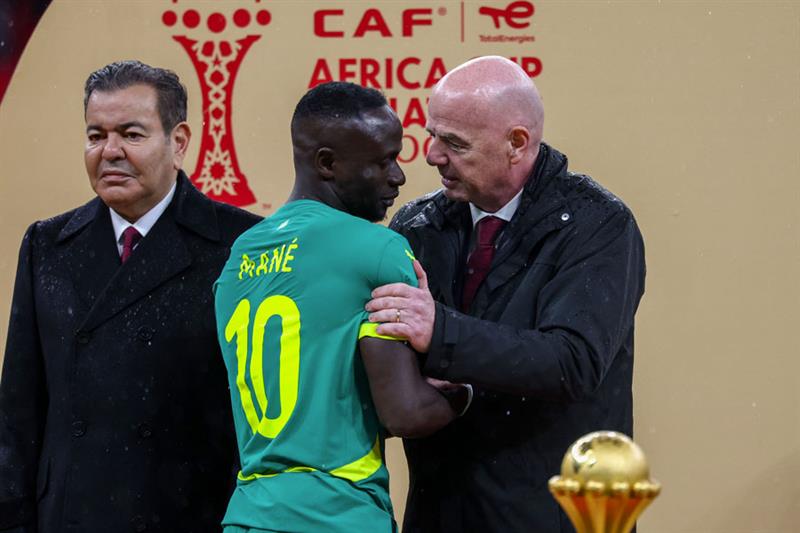
All 54 African football associations have reportedly backed Infantino, giving the FIFA president an important advantage as preparations for the election continue.
The support was announced during a football strategy meeting in Cape Verde, where African football leaders also highlighted the importance of continued investment in football development across the continent.
Infantino has made African football development one of the key areas of his FIFA presidency. Through FIFA development programmes, football associations across Africa have received funding for infrastructure, competitions, youth development and other projects aimed at strengthening the sport.
Africa’s growing influence
Africa has 54 FIFA member associations, making the continent an important voting bloc in any FIFA presidential election.
The decision to support Infantino could therefore have significant implications for the upcoming contest. African football leaders have pointed to increased investment and development opportunities as reasons for maintaining their support.
For Infantino, the backing represents an important political boost as he seeks to continue leading the world’s football governing body.
However, the election is unlikely to be completely straightforward.
Challenger enters the race
Former Switzerland international Ramon Vega has announced his intention to challenge Infantino for the FIFA presidency.
Vega’s entry could introduce a different perspective into the election and create a wider debate about the future direction of FIFA.
Issues such as governance, transparency, financial management, football development and the relationship between FIFA and its continental confederations are expected to feature prominently during the campaign.
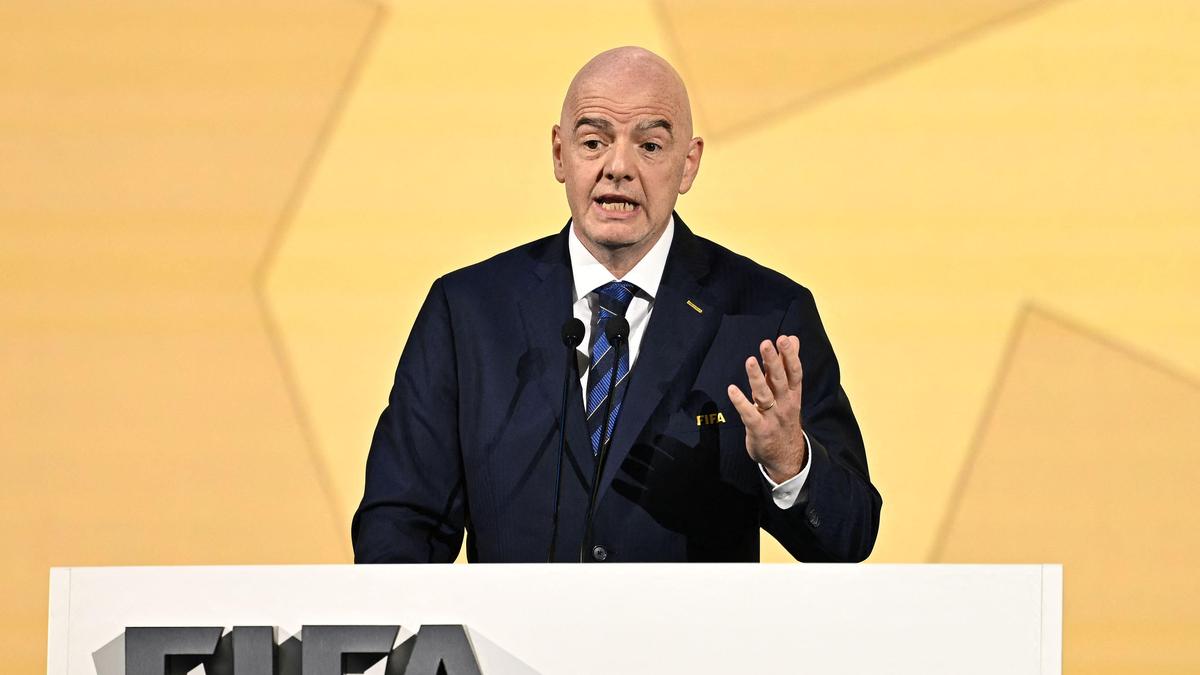
The election will therefore be about more than simply choosing a president. It will also give football associations an opportunity to discuss what they want the global game to look like in the coming years.
Portugal climbs in FIFA rankings
Meanwhile, the latest FIFA men’s world rankings have also attracted attention.
Portugal has moved into the world’s top five after climbing two places. Spain remains at the top of the rankings, followed by Argentina, France and England.
Brazil has dropped to sixth, while Morocco has also slipped one position.
Several other countries have made significant movements, showing just how quickly international football rankings can change following important matches and tournaments.
For African football, the progress of teams such as Mali and South Africa is another positive development, with both nations moving higher in the global rankings.
What comes next?
The FIFA presidential race is expected to become more intense as the election approaches.
Infantino currently has strong support from Africa, but the emergence of challengers means football associations will have different choices to consider.
The coming months will likely bring more discussions about FIFA’s leadership, the development of football in emerging regions and how the sport can continue to grow globally.
For fans, the political developments will take place alongside an exciting period on the pitch, with international competitions, domestic leagues and major tournaments continuing to shape the football calendar.
One thing is certain: the battle for the future leadership of world football has already begun, and Africa’s position could play a major role in determining the outcome.
Sports Tribunal — The World of Sports, All in One Place.
Leave a Reply